All CVGSAR members are trained and certified in ground search operations. The Ground Search Team consists of about 50 members broken down into Search Managers, Ground Search Team Leaders (GSTLs) and ground searchers.
Before any new members can participate in a search or rescue, they must be trained and certified. New members are put through a ground search and rescue course that covers basic search techniques, different types of searches, basic rope rescue, navigation by compass, map reading, GPS, overnight survival, helicopter safety, etc. This course is taught by CVGSAR members and consists of approximately 80 hours.
Searches are conducted at any time of the year, at any time of the day, in any type of terrain. They require dedicated SAR members who are willing to leave the comfort of their home and family to look for a complete stranger, regardless of the weather. Many searches are completed in a few hours; occasionally, they take several days. As volunteers, SAR members in BC are not paid for the time they contribute.
All members participate in ground SAR activities. Locating, Accessing, Stabilizing and Transporting are the key goals of ground SAR. We locate through specialized ground search techniques, access with ropes and other specialized equipment, stabilize with first aid techniques and transport by a variety of methods and vehicles.
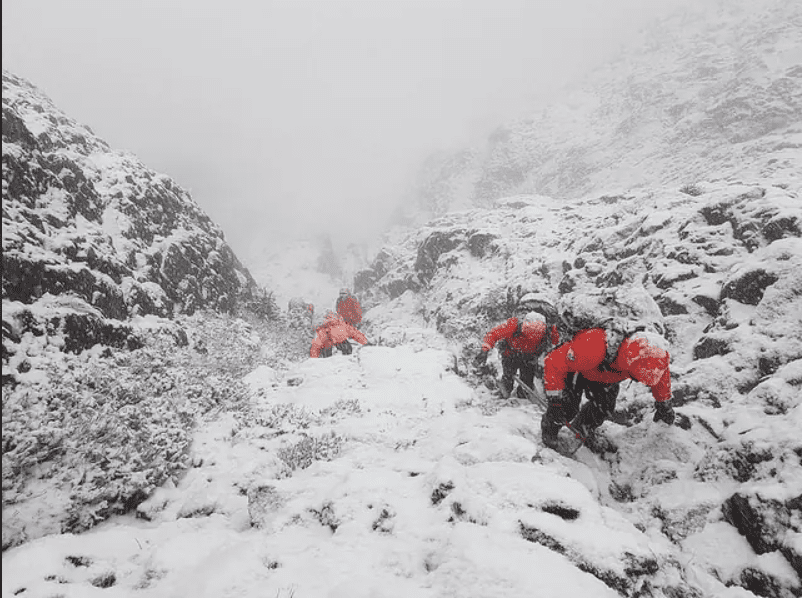
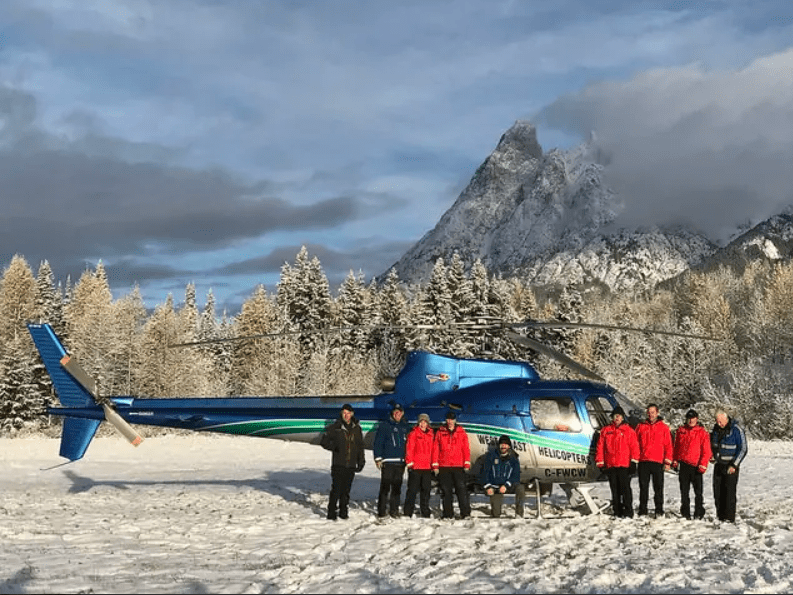
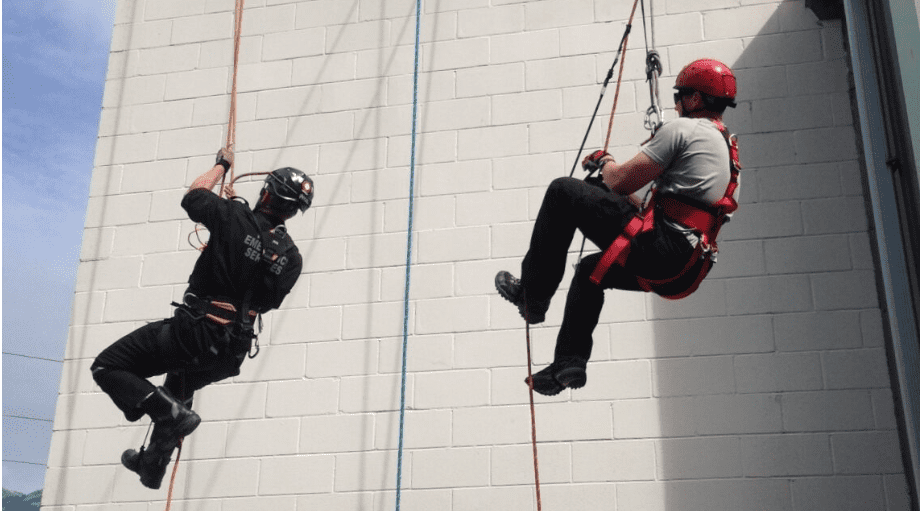
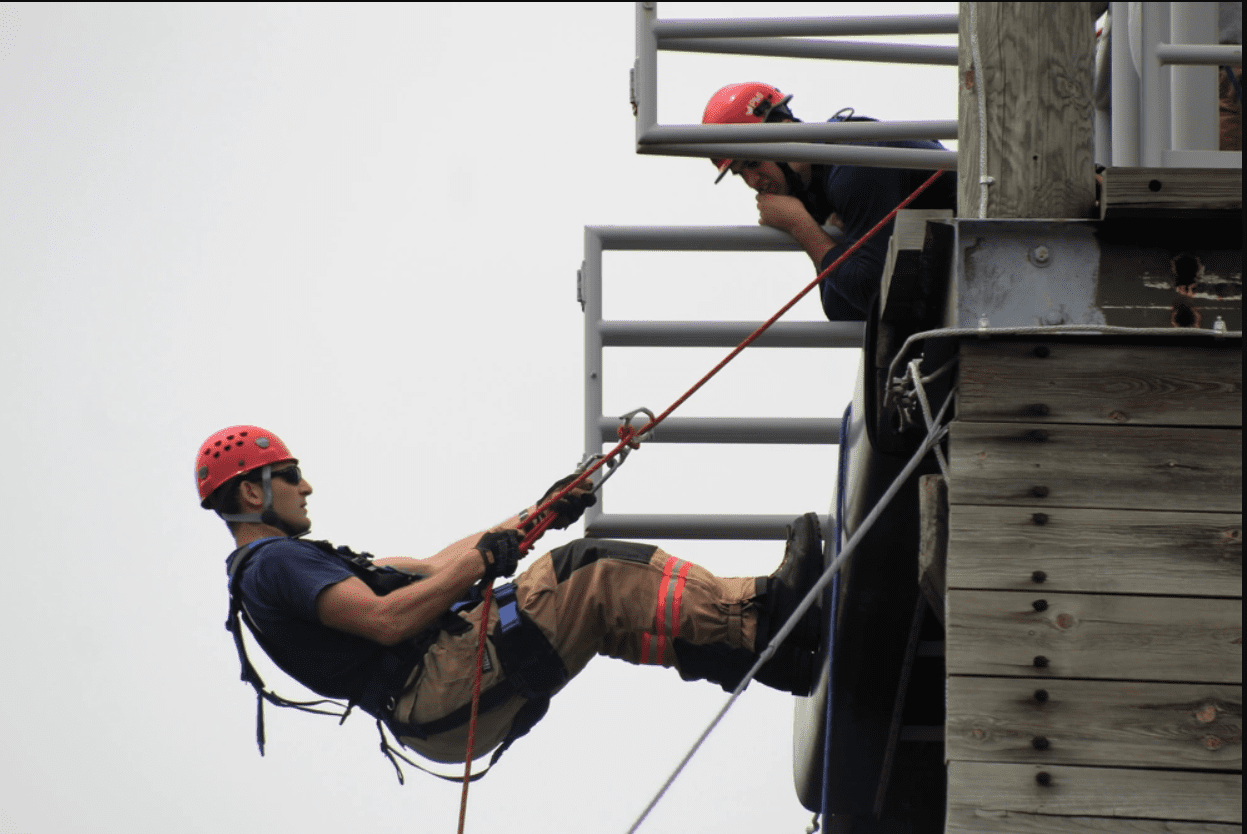
CVGSAR has a dedicated group of members that have pursued specialized training in rope rescue techniques. In addition to the regular training that all CVGSAR members participate in, rope rescue team members are required to spend additional time training for rope rescues. A minimum training requirement must be maintained to hold a valid certification. Being a rope rescue team member is a serious commitment.
All rope rescue team members attend an extensive multi-day Justice Institute of BC training course followed by 6 months of practice. If sufficient time has been spent practicing, they can apply for an evaluation. If they successfully complete the evaluation (20+ hours over 3 days), they are certified as Rope Rescue Team Members (RRTM).
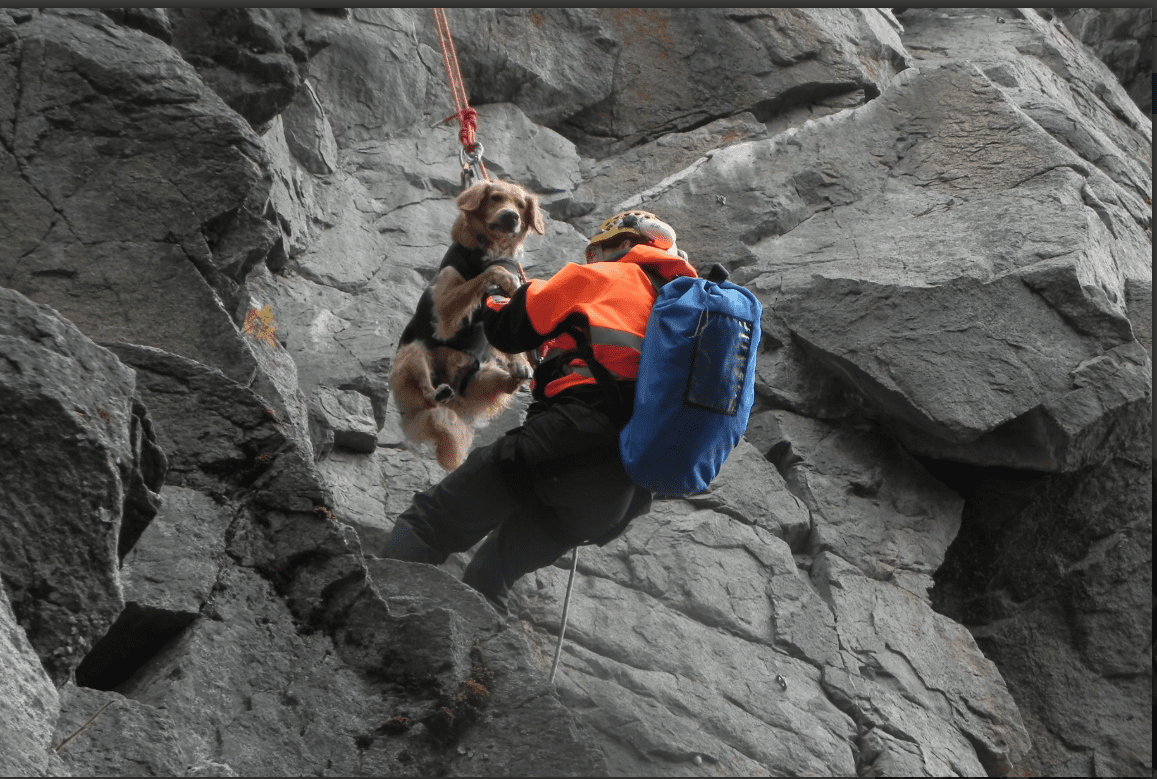
RRTMs are trained in slope rescues, high angle rescues, stretcher rigging, subject packaging, and a multitude of command and safety protocols. They may be asked to rappel down a cliff, ascend back up, cross a high line, control a stretcher as they are lowered over an edge, haul a subject and rescuer back to the top of a bluff using a simple pulley system and some muscle, operate a brake rack, rig a pre-tensioned back-tie, extend an anchor, the list goes on and on.
RRTMs are under the direction of a Rope Rescue Team Leader (RRTL). RRTLs have typically been RRTMs for several years. They have attended an additional multi-day training course, practiced extensively, and have been evaluated over multiple days before being certified as a leader.
CVGSAR uses equipment that is designed for rope rescues and is independently certified to ensure safety. We have a variety of specialized rope rescue equipment and constantly train to keep up with the latest standards and technology.
In any rescue, the safety of subjects, bystanders, and rescuers is of the utmost priority.
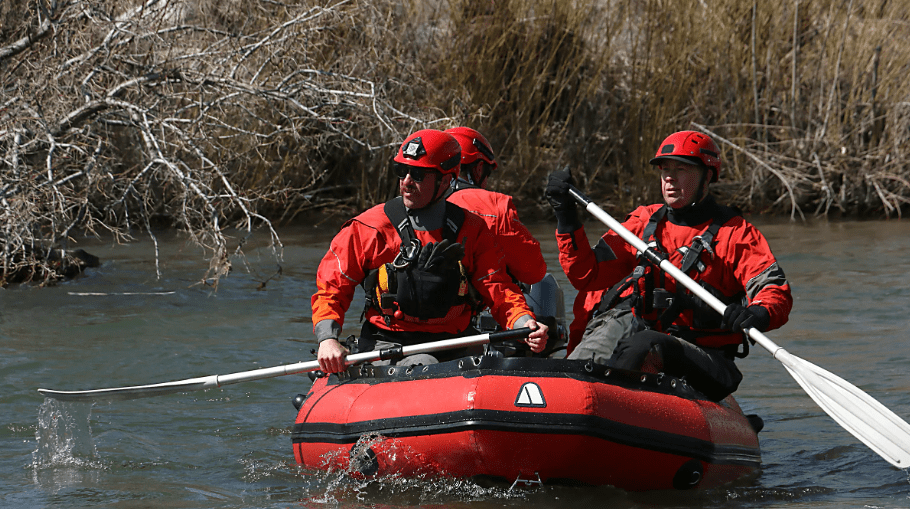
CVGSAR has a team of members trained to perform water and swift water/flood rescues.
Swift water rescue takes specialized training and equipment as well as regular practice in our local waters to remain familiar with the water systems and the ever changing list of hazards that can be found on a river.
We maintain a team of highly skilled water rescue technicians that work together as a team to deploy and affect a rescue on any inland waterway from Oyster River to Cook Creek as well as helping other teams on Vancouver Island.
Rescuers wear a dry suit, gloves, helmet, PFD, and footwear designed for a swift water environment. Inflatable kayaks are used to travel downstream or cross a river and can be deflated and rolled up if they are being transported by helicopter for remote area access. As well, we have 2 power boats for use in the lower Puntledge and Comox Lake areas.
Specialized rope rescue equipment is used to facilitate river crossings and subject recovery. Ropes are designed to float and are narrower to reduce resistance when in the water. Connectors and other devices are made of aluminum to keep weight down and make transport and swimming easier.
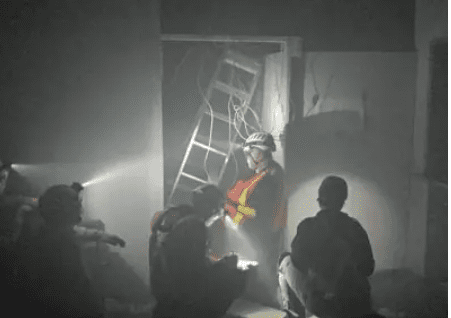
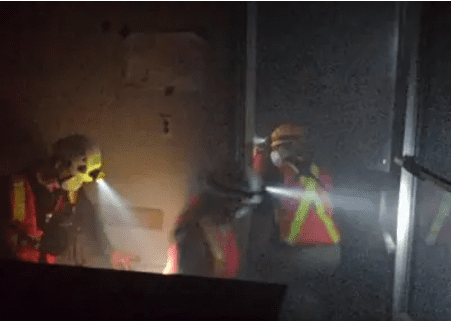
CVGSAR, in partnership with Campbell River Search and Rescue and Oyster River Fire Rescue are pioneering and establishing the first Ground SAR teams in the province to hold Light Urban Search and Rescue skills and capabilities. CVGSAR saw the need to ensure its teams were knowledgeable and skilled in in this area to ensure our ability to support our community and to keep our members safe following a significant natural disaster such as an earthquake.
Light Urban SAR teams are often the first teams on the ground following a natural disaster. Based at home, these teams support the work that neighbours and citizens would immediately begin if a major earthquake struck our Valley. Trained to assess structural damage and to conduct systematic room by room search of wood frame and light steel structures, CVGSAR members would work alongside other first responders to locate and rescue citizens in the early hours post disaster and to establish the foundation to support national and international efforts that would follow.
.
The mountains of Vancouver Island and the Coast Range in winter are subject to avalanches and with the increase in winter recreational activities in our region, skiers, snowboarders, ice climbers, sledders and snowshoers are exposing themselves to avalanche-prone terrain more now than ever.
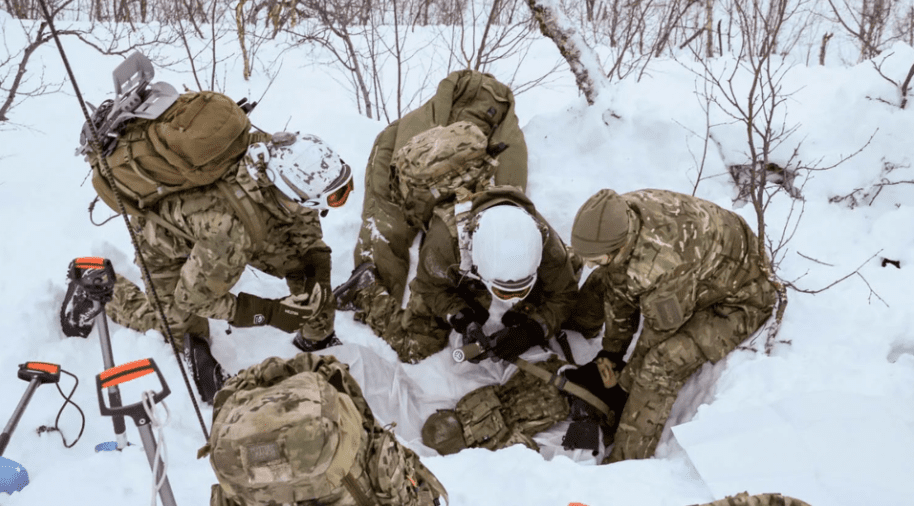
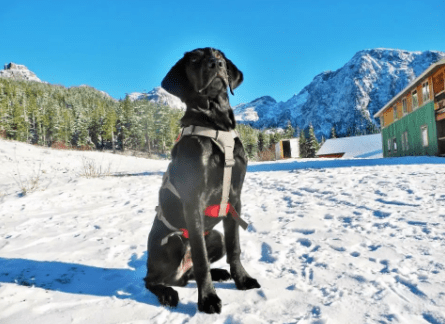
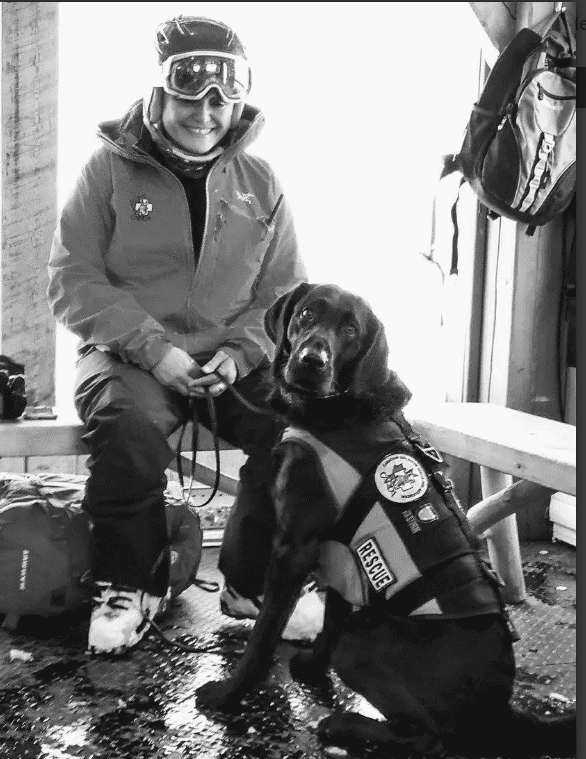
The use and success of using dog teams on searches is becoming recognized universally and CVGSAR is fortunate to have 3 validated K9 teams in their ranks, including the only Avalanche team on Vancouver Island. All three of the teams are validated in the Wilderness Air Scent profile.
K9 teams are validated annually by the RCMP, and are assessed in Wilderness Searching, Wilderness Navigation and Obedience.
To become a K9 team a number of conditions must be met. At a very high level: